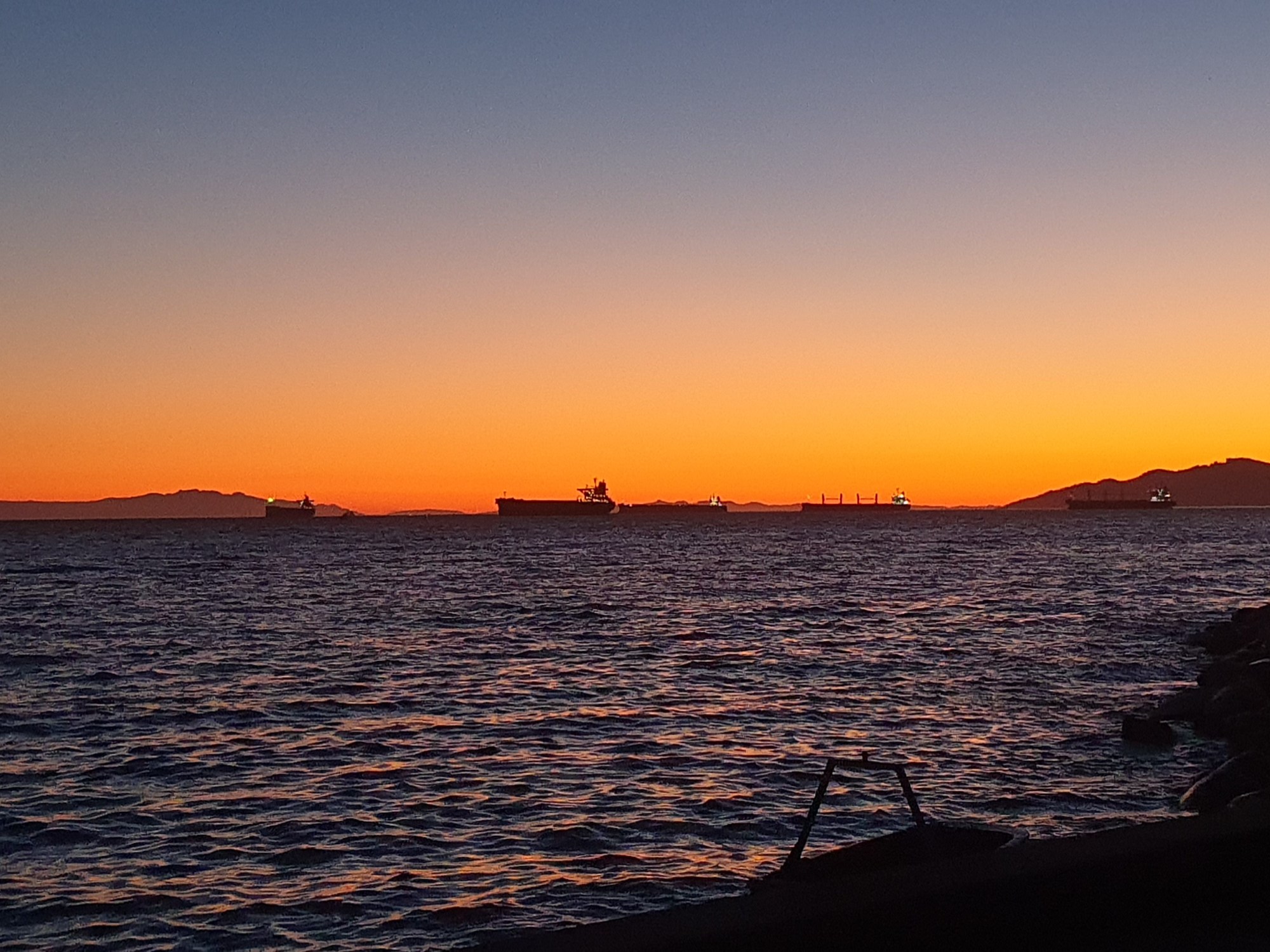
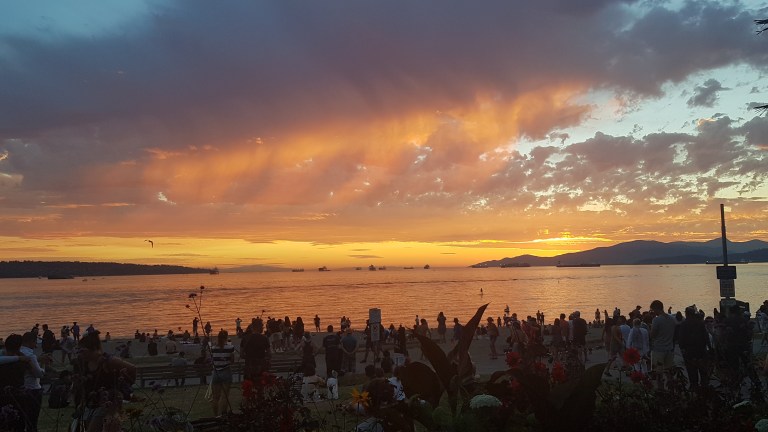
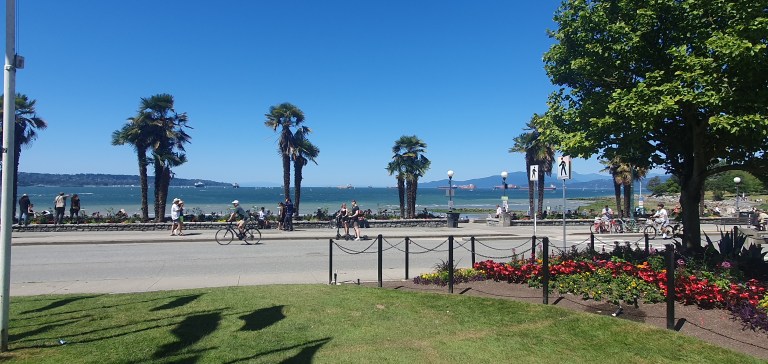
On a warm and long July night standing on the English Bay sand, and looking out at the dark silhouette of Vancouver Island on the western horizon as the golden hour glow ignites the tequila sunset, time seems to wind down – if only for a few moments…
It is over nine years since I stepped off an Air Transat plane into the stormy and wind-swept Pacific Northwest as a 26-year-old attempting to answer the screaming call to adventure. Five years later, I boarded an east-bound flight back across the Atlantic, and as in 2016, this too was a one-way ticket. After several visits back to the wild west in the ensuing years, I wanted to reflect on an unexpected journey along a rocky Canadian road, and to unpack life in Vancouver; a city of contrasts – of the good, the bad and the ugly, but one whose unrivalled natural beauty leaves an imprint that can never fade.
Shimmering Sea to Shining Sky
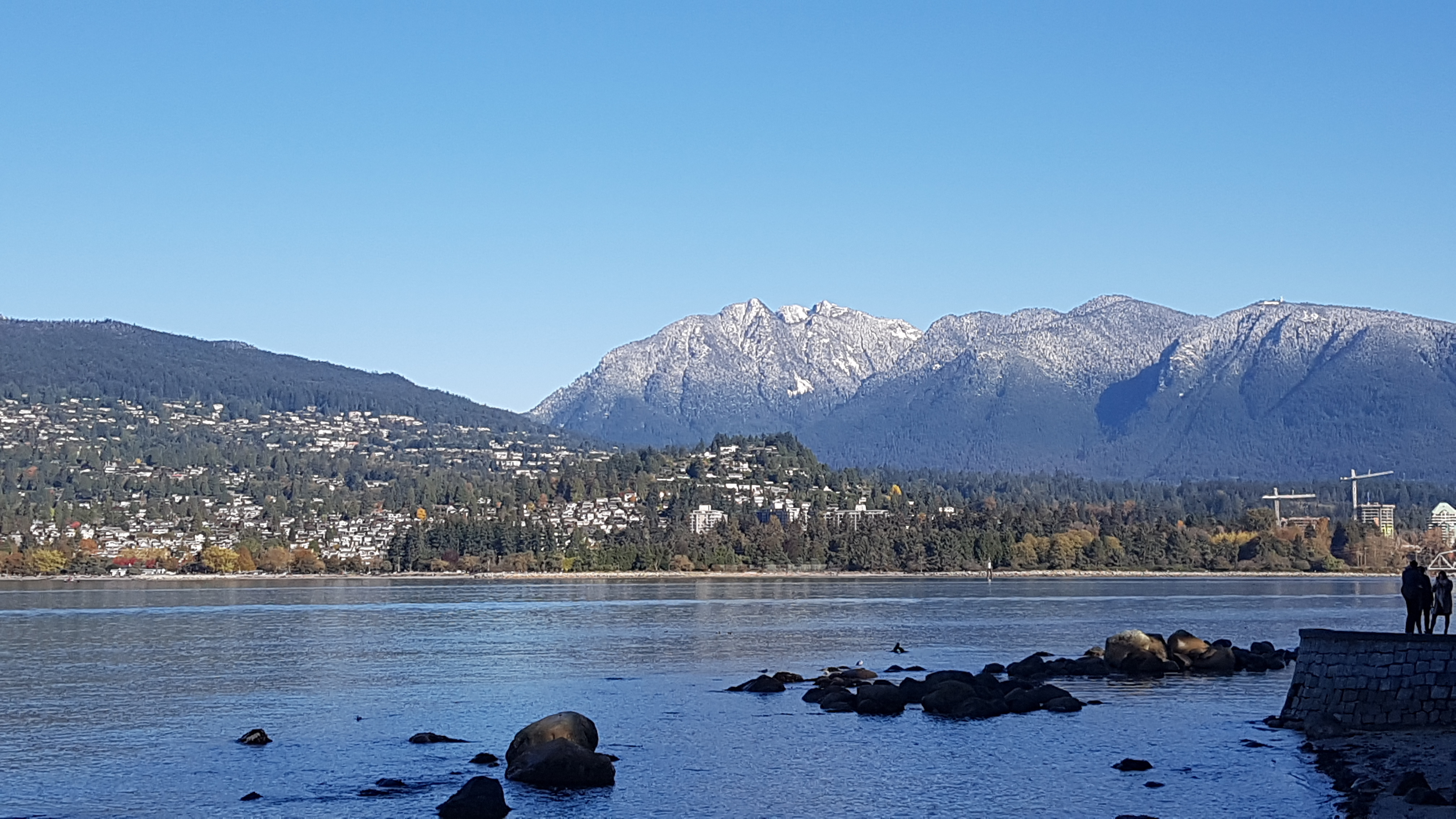
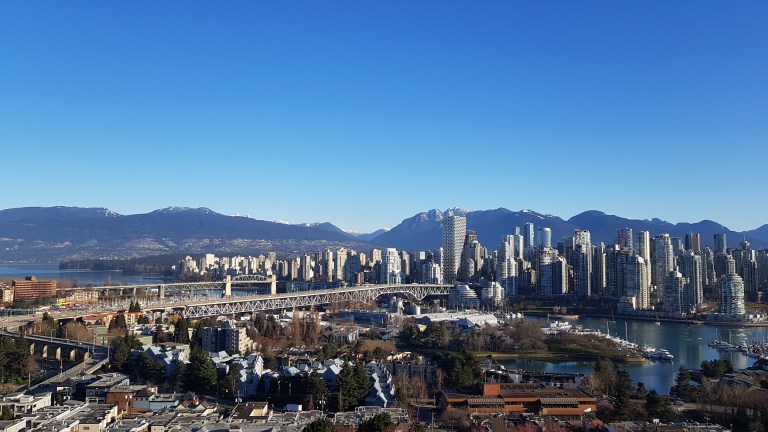
Standing on the Bay, all one has to do is look around, and then keep turning. Despite being a city riddled with a chronic addiction crisis, the vistas are a drug of which it seems impossible to attain an adequate dose, replenishing the soul in real-time. I guess if that fails there is always the meth… but one shouldn’t joke about such things. Vancouver has been carved out of nature in a way few urban jungles have, blessing it with a back garden from the Gods – so wild and vast. The Coastal Mountains kiss the Pacific, and the Fir forests caress its shores. Your doorstep merely provides the gateway to escape into its secrets.
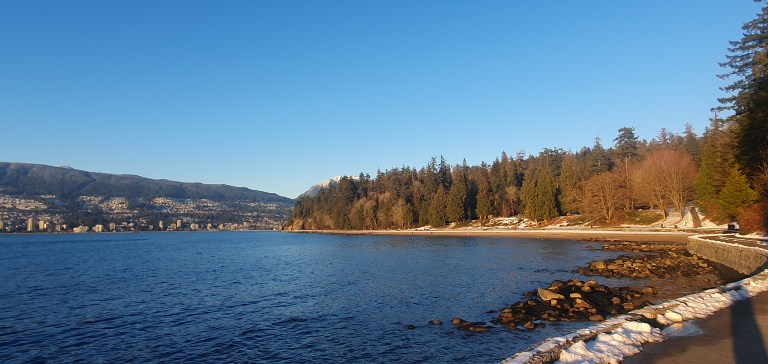
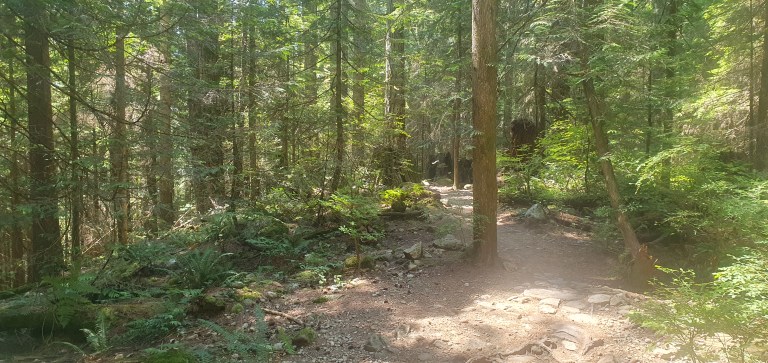
Whether it’s suffering the 800-metre cardiac arrest up Grouse Mountain, or wondering through the tranquil forests of Pacific Spirit Park, there is something for everyone across the seasons; and nowhere more so that the city’s emerald. Stanley Park must stand alone as the world’s most beautiful urban Eden. With a 10-kilometre seawall skimming the trees, cliffs, sand and water, whether on bike or foot, the view forever changes. Veer off road to discover the trails within, criss-crossing and winding through the dense and lush interior, and acting as a reminder that this coastal stretch forms part of the Pacific temperate rainforest ecoregion. Fortunately, in the dust of summer this seems unfathomable, yet fall ahead a few months and there but for the grace of an ‘Atmospheric River’ go I…
In October 2016, the month I landed in Canada, La Niña had already arrived. The Pacific had thrown her in and there was nothing one could do about it. Across those 31 days, Vancouver saw 28 days of rain – a record breaker, and it didn’t stop. It was the beginning of one of the heaviest seasonal precipitations in recent times with Whistler clocking over 13 metres of snowfall. That year, the city had 186 rain days and a total accumulation of 1360mm, which is more than double an average year in London. And to illustrate the local variability, this is scarcely over half of what North Vancouver typically receives only a few miles across the Burrard Inlet at the foot of the mountains. It should therefore be of no surprise that Goretex is worn more as a sign of sanity than status, and Arc’teryx became the city’s de facto winter uniform. It is also of little shock, given the limited and infrequent sunlight during the wet and dark months, that many suffer from varying degrees of seasonal affective disorder and opt or long for sunnier climes. Naturally, or otherwise, and even for a city culture whose major defining characteristic is centred on the great outdoors, this is acerbated by a modern lifestyle all too confined to screens and walls with the chronic Vitamin D deficiency and other costs this brings. Still, come rain or shine, the beautiful garden remains, and in spite of herself, Mother Nature provides sufficient motivation to enjoy her fruits throughout the year.
Shooting Through Life and Death, Down in Zombieland
It was the briny blue Pacific and rugged beauty guarding it that compelled me to want to live in Vancouver when I first visited in 2013. It was a genuine case of love at first hike, infatuation by the scent of summer. But sometimes beauty disguises the shadow that lies beneath, and once the veil is lifted or the postcard is flipped, an ugly darkness is laid bare…
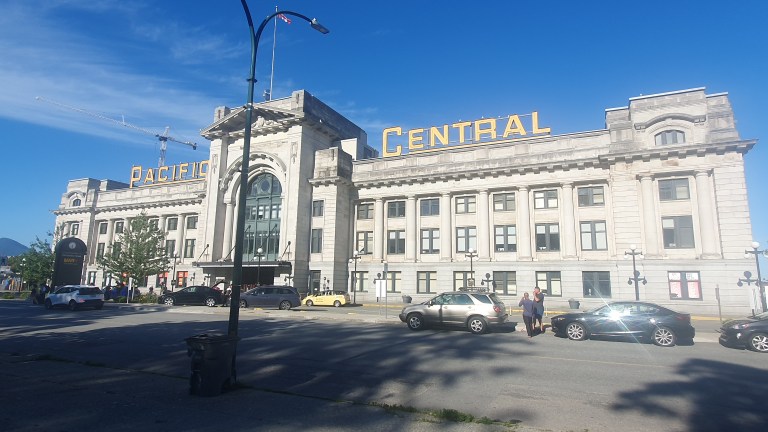
That year, upon returning into Pacific Central Station on the Greyhound from Abbotsford, I decided to walk westward towards Downtown, and in doing so inadvertently ventured into Zombieland. Turning left off Main Street onto East Hastings, and before I could do anything about it (besides turn around), I found myself in Dystopia, treading amongst its inhabitants residing in a distant realm. It was immediate; no one checked my ticket or my bag, and I didn’t even notice remnants of childhood naivety break free. ‘What the hell is going on?’ With street-dwelling addicts sprawled out across both sidewalks, I decided it wise to continue on the road, and so standing up straight I proceeded on, sharing the space with the occasional car or bus, which seemed the far more lucrative option. After maybe ten minutes of wading through life, possibly death, and that misty valley in between, suddenly within the space of a couple of blocks, I was ensconced within the squeaky-clean admixture of concrete and glass of the Downtown core. I then heard a smash on the street to my right, and a parked car was now one Satnav down courtesy of Buddy on a bike. As I passed through the event horizon, part of me felt compelled to wander back and observe some more, yet the bigger part knew better, and in the beating sun there were more joyous paths to explore.
The scale of the human catastrophe in the Downtown Eastside, and which has since metastasised out to other parts of the wider Downtown area, is a blight on the nation. Whilst the issue in Vancouver is far from the most widespread amongst the major North American cities beset with the same problems, it seems to have become normalised in the collective mind of the wider population. I expect this is likely a combination of a form of learned helplessness and an apathy inherent to humans once that sense of helplessness becomes rationalised.
The antidote to such rationalisation can often come in the form of stats – so I delved into some. Since 2016, following the declaration of a ‘public health emergency’ in BC, there have been more than 16,000 deaths due to overdoses across the province, with over a quarter of those occurring in Vancouver. In large part, this has been the result of a ferociously toxic drug supply driven by fentanyl and other highly potent substances, in addition to meth and cocaine, but I also question whether the collective will truly exists to resolve the issue by those presiding over policy.
In January 2023, the self-righteous anointed ones responsible for Public Health passed provincial legislation decriminalising the personal possession of small quantities of illicit drugs for three years. “This exemption is a vital step to keeping people alive,” proclaimed Dr. Bonnie Henry, B.C.’s Provincial Health Officer. “By removing the fear and shame of drug use, we will be able to remove barriers that prevent people from accessing harm reduction services and treatment programs.” As the BC Government website states, “together, the federal and provincial governments will work closely to evaluate and monitor the implementation of this exemption, to address any unintended consequences and to ensure that this exemption continues to be the right decision for the people of B.C.” It seems like the conclusion has been predetermined. It will be a success regardless of what the evidence and those ill-considered ‘unintended consequences’ suggest. 2023 was the deadliest year on record for the toxic drug crisis with 644 suspected unregulated drug deaths in Vancouver. I guess more time was needed. Naturally, the BC Coroner attributed this to increasing drug toxicity and not to provincial decriminalisation efforts. Whether or not this holds any validity, and without necessarily attributing any blame to those unfortunate enough to find themselves in such a predicament, fear and shame have evolved to be innate social deterrents when a specific action or behaviour carries unacceptable risk, and so their intended removal by such a policy, as explicitly stated, exposes at best extreme hubris, and at worst something more sinister under the usual guise of compassion. I’m not implying that the causes of such a crisis are not multi-faceted nor the solutions straightforward, but I am confident that complacency, arrogance, incompetence and widespread systemic corruption do constitute perhaps the entire problem. After all, Dr Henry and her ilk know a thing or two about keeping people alive, or otherwise, having overseen BC’s Covid response and being one of the staunchest advocates for, and key enactors of, the immoral gene-therapy mandates that were tyrannically imposed on the province and the nation – all the while seeming entirely comfortable adopting a quasi-deity status as a public figure.
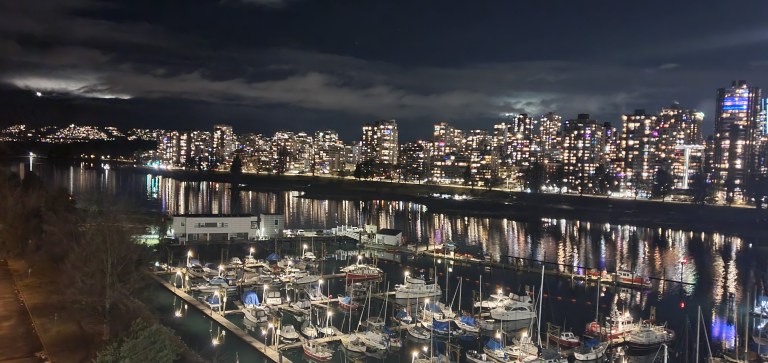
Whilst the world’s attention is increasingly dragged from one apparent crisis to another, the collective memory of the Covid years threatens to fade away. Yet, the damage inflicted will be hanging around for many years. The devastating health consequences downstream from the Covid injections – both mRNA and Adenoviral vector – and the ongoing pronounced excess mortality across the developed world, with increases in heart conditions, strokes and aggressive cancers seen across all age groups, would suggest keeping people alive and well is not quite in these officials’ repertoire, or even occupying the least of their concerns. Whether it is due to a perverse ideological adherence downstream of Pharma regulatory capture, depraved indifference, a combination of both, or something far worse, it can be safely concluded that these corrupt authoritarians should be nowhere near the positions of responsibility they inhabit. But such is the nature of a broken healthcare system and the broader pathological relationship between the State and its citizenry that currently exists across most western nations. Perhaps this is ‘merely’ the inevitable by-product following decades of functionality, stability and institutional trust, both real and perceived. May Bobby Kennedy Jr and the indomitable Dr Jay Bhattacharyya, Dr Robert Malone, Dr Aseem Malhotra & Dr Bret Weinstein et al continue the fight to correct course. It is of great and frequent reassurance to see figures of such immense intellectual courage, integrity and expertise take a stand where few could.
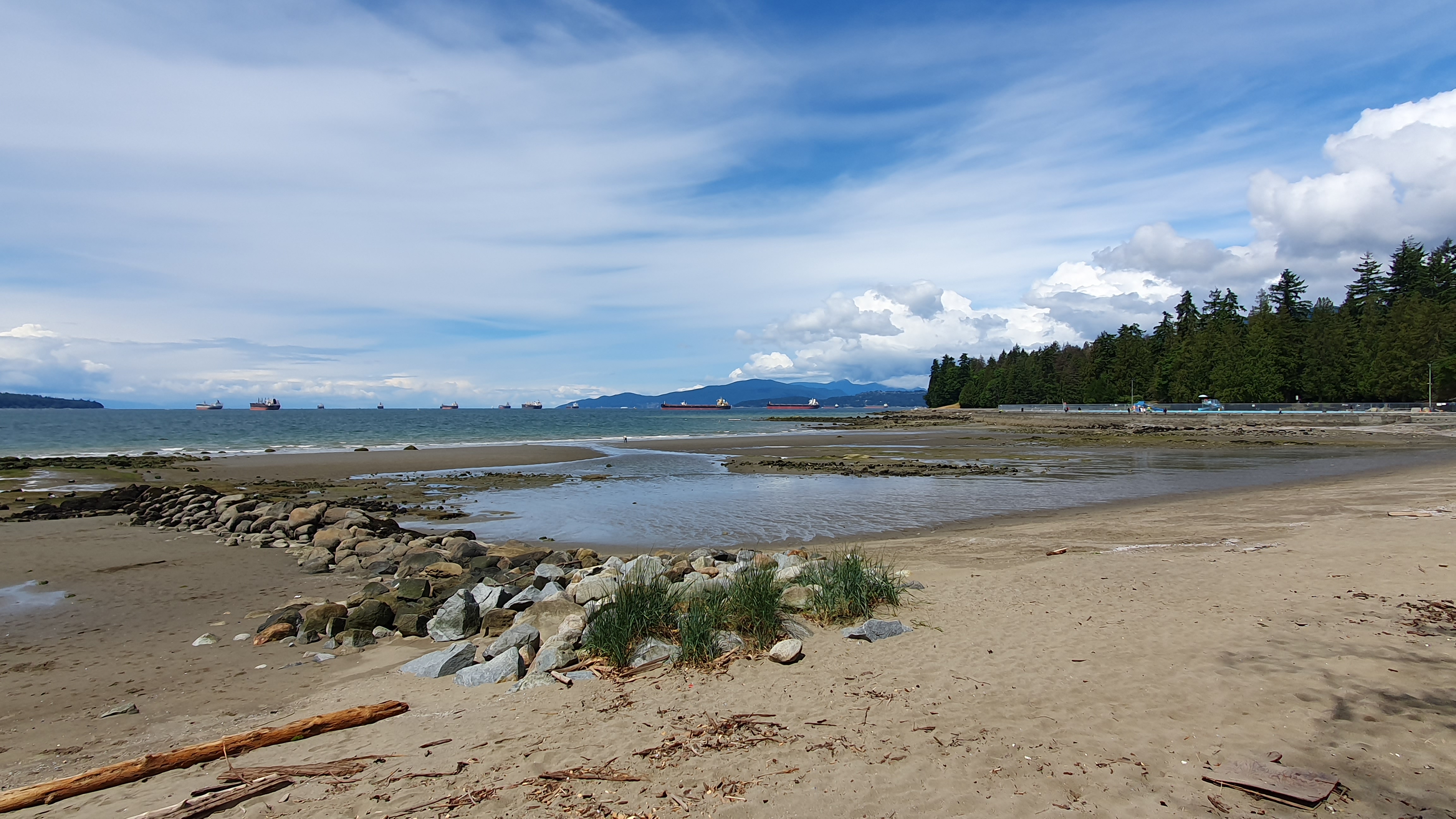
A Region of Peaks and Valleys
As a city, Vancouver is somewhat mesmerising. Blessed to be simultaneously on the cusp of and intertwined with nature, each season brings its own character. From the 43,000 Japanese cherry trees exploding in white and pink in spring, to the sapphire blue days and long golden nights of summer, the maple amber and reds of fall, and the wet, cold and occasionally snow white of winter, it forever changes. It is also the economic heartbeat of British Columbia, a province steeped in resource and agriculture, with Canada’s largest port providing the gateway to the nation’s global trade. Tourism plays a major role across the warmer months, with the Port of Vancouver seeing over 300 cruise ships and 1.2 million passengers depart Canada Place for Alaska during this year’s cruise season between March and October. Together with a growing tech hub and significant investment in industries such as life sciences, Vancouver, like British Columbia and Canada more broadly, has the potential to be one of the world’s most economically prosperous regions. However, in the face of an array of politically imposed barriers that have gradually been erected, such potential has been kept out of reach. To illustrate this, and despite its imperfection as a marker for prosperity, being easily gameable, Canada’s GDP per capita – the average economic output of each person – has dropped to only 60% of the US having previously been close to parity when Justin Trudeau took to the throne in 2015; since then it has all but flatlined, analogous perhaps to a nation on life support, and lying across the ICU from the UK and much of Western Europe.
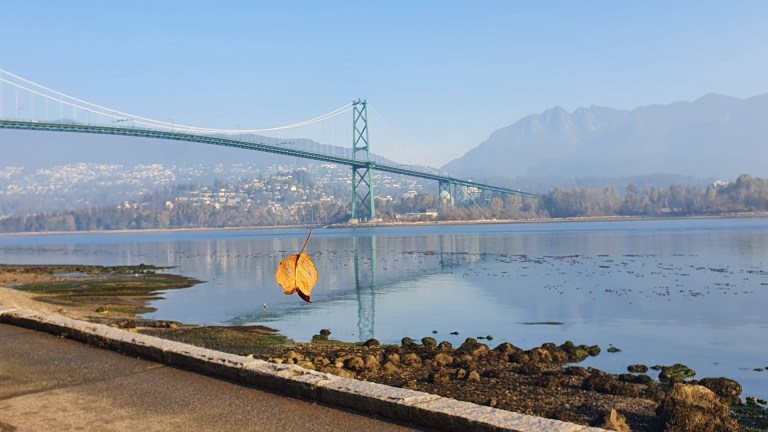
Furthermore, over the last decade Vancouver has been straddled with a housing ‘crisis’ that led to some of the world’s most expensive real estate. Naturally, and as is the case in Britain, the only remedy ever seriously discussed through vacuous public proclamations is to build more homes, which is demonstrably unfeasible given the incompetence of the governing authorities, the inflated material & bureaucratic costs involved keeping developers away and the scale of construction required to accommodate mass immigration fuelled population growth. Nor is sole focus on boosting supply appropriate without fundamentally addressing the demographic and economic pressures underpinning demand. Yet in the shadow of the post-Covid price peaks of the early 20s, and following the BC Supreme Court judge’s ruling in November 2025 effectively giving precedence to Indigenous land claims over private land titles – at least until an urgent resolution is found – the market is undergoing somewhat of a correction with average home prices down 4% in 2025 and forecast to fall by a further 3.5% in 2026.
Combined with the inevitable consequences of one of the highest tax burdens in the developed world outweighed only by exponentially increasing spending, an ideologically captured, metastasized and unproductive public sector that has effectively doubled up as a tax-payer funded welfare programme for much of its employee base, prolonged restrictions on the nation’s energy resources and increased trade pressures from across the border, wages have stagnated, the labour market remains persistently weak and the cost-of-living crisis has tightened its grip. And by electing the same cabal of globalist elites, albeit presented in a different suit with less hair – or more, in the case of British Columbia – who set the nation on such a trajectory, the journey down this path seems likely to continue, from sea to shining sea.
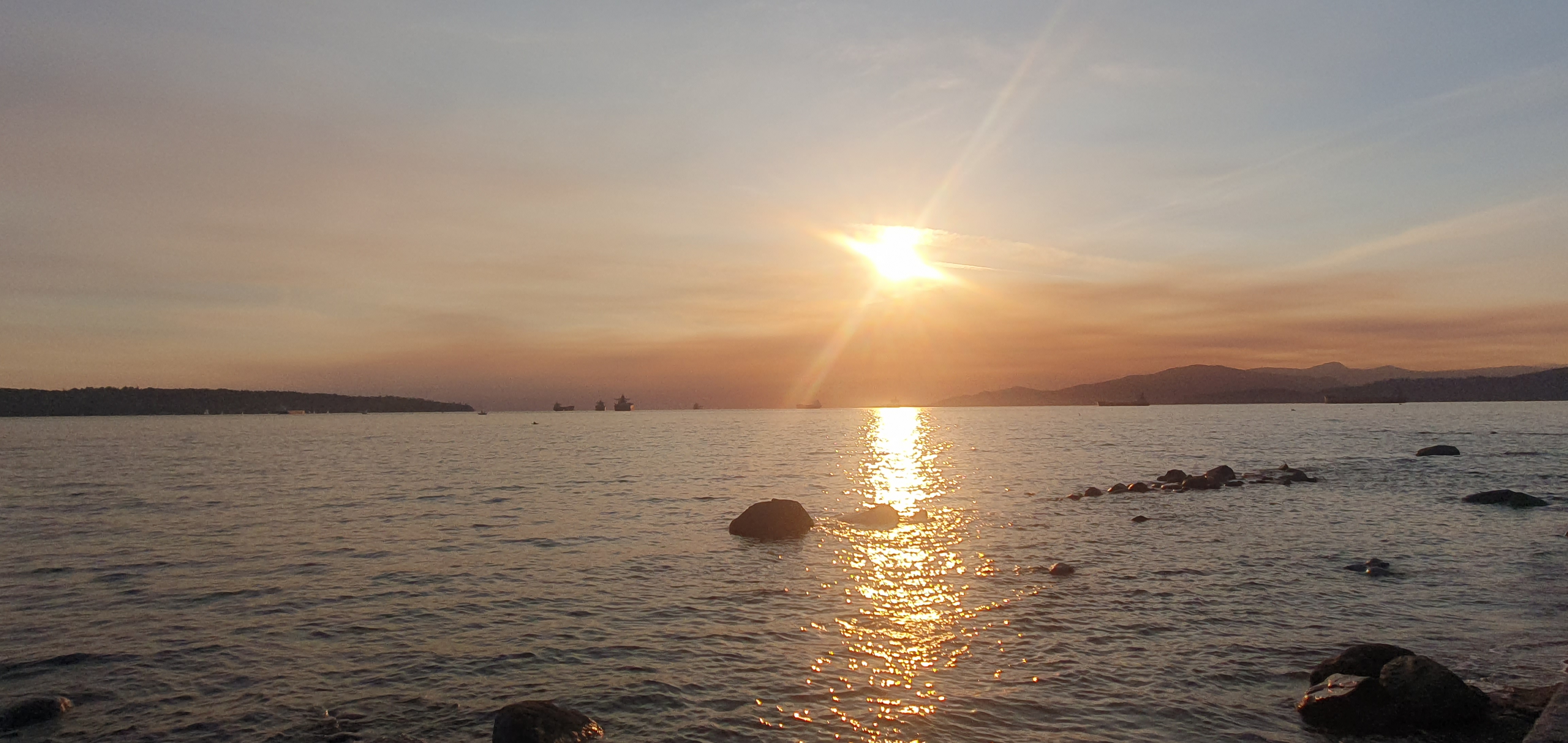
A Future Immemorial
Yet, in an act of self-reassurance, if not delusion, I say to myself, ‘fear not, for hope need not be lost’. For as is often the case, the cold hard objective can obscure the complex shades of the subjective, as it is a people, a shared heritage and the axioms and stories underpinning it that define a nation. As the cold sets in and the rain comes down, I think back to the Bay on that warm July night, and I imagine standing there again. In mid-summer, the sun sets directly behind Bowen Island before bouncing back across the water to set over the Endowment Lands in the south-west come winter. For many thousands of years, possibly stretching back beyond the Last Glacial Period, native Peoples of one kind or another would have observed the same seasonal pendulum. Then the Old World explorers arrived and settled.
A friend recently described Canada as being a country in its adolescence following a turbulent childhood, still developing its identity whilst confronting its past. The analogy is imperfect but to the extent it works, the country resides at the stage when susceptibility to toxic ideas and distorted narratives is at its most prominent, empowering their proponents to lead a nation astray, or to cultivate enough internal division to rip it apart from within; facilitated by elite orchestrators who seek to profit in the process. A nation beset with collective guilt and a misplaced self-righteous sense of being ‘post-history’, whilst forgetting the great value of the fundamental principles upon which it sits, is destined to fall to history itself. Vancouver seems to have haboured a disproportionate share of these destructive societal traits over recent years.
Yet the path forward need not be mutually exclusive with any reconciliation process, so long as the ends are desirable and attainable, and not hampered by remaining an ideological nebulous political tool. Perhaps it requires strict adherence to a form of ‘exclusive inclusivity’ whereby only those who have a genuine and sincere interest in moving Canada towards a cohesive, prosperous and free future, in which cooperation occurs irrespective of ethnic lineage, should be given any credibility. Afterall, it is the collective agreement to forget something in common that binds a nation to its past and future. Such a stable state also demands a strict and judicious immigration policy to ensure institutional and social systems are not overburdened, and that cultural compatibility is prioritised above cultural diversity. Unchecked net annual migration running into the seven digits, as has been seen over recent years, is a sure-fire way to guarantee, if not accelerate, societal decay. One need only look across the Atlantic to the managed degradation of the Green and Pleasant Land to see where Canada will inevitably end up unless a drastic change of direction occurs at the Federal level. Weary eyed and oxygen-depleted, I stand in hope.
An Eternal Sunset, Where Good Men Find Solace
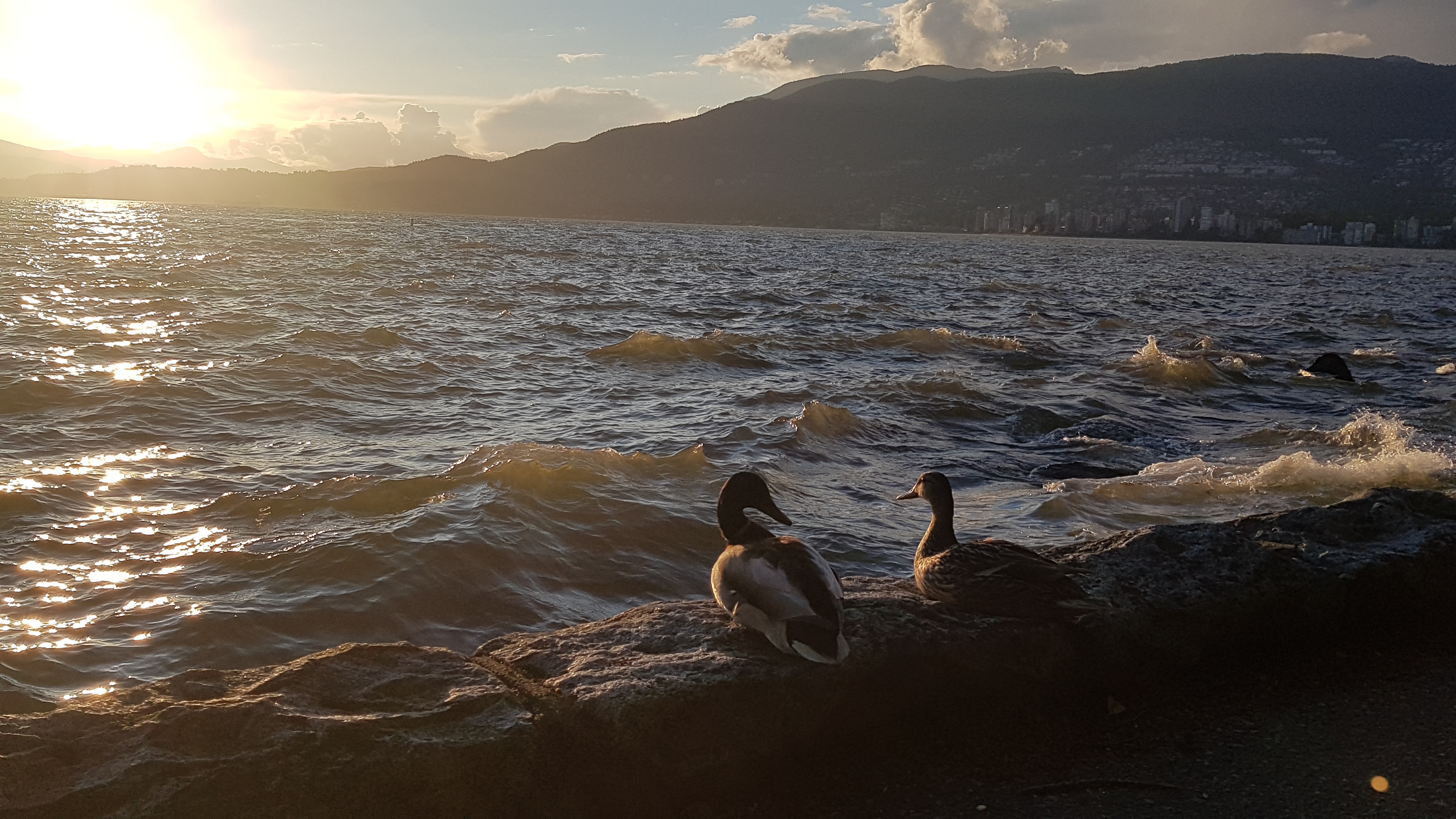
Vancouver revolves around its natural beauty and within that swirling nebula, people coalesce, stories get derived and then embedded. The unique culture that remains is in many ways the binding agent that ripples through the social fabric of the city. Akin to an electromagnetic wave pulsating through the atmosphere, the force itself remains invisible, but the resulting impact can be observed. On a summer’s night on English Bay as the sun starts to drop below the tree line of Stanley Park, the nebula is in full swing, crafting stories to be engrained within the sand.
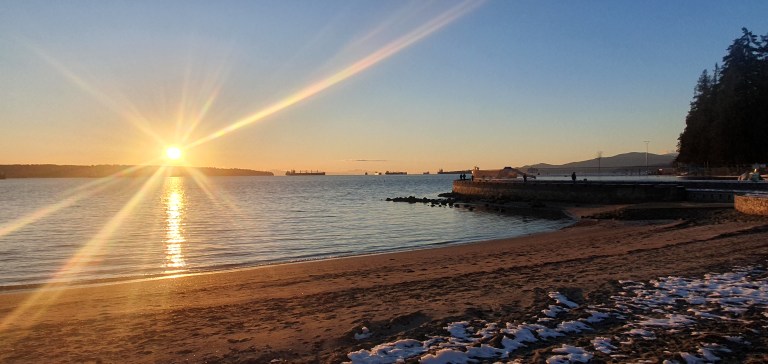
About five years ago, I got to know a local artist who would set up stall on one of the benches, displaying a wide variety of highly intricate and striking pencil drawings of various depictions of the city. In the years since, we have become friends and I have been fortunate enough to get to know some of his circle who spend many a night at the Bay observing the golden pendulum oscillating between the seasons. It was during two months in Vancouver this summer that I was introduced to Matthew, a familiar face I’d seen occasionally over the previous half decade, and one of the warmest, wisest and most peaceful men that could have graced the West End. Across those short weeks and long days, no topic of conversation was out of bounds. A lifelong musician and songwriter, with a heterodox ability to derive insight and a nuanced understanding of the clandestine power structures dictating the state of the nation, and indeed the world, Matt acted as a natural magnet for me to bounce ideas, conspiracies and concepts off to get a better grasp of things. Some even seemed to stick.
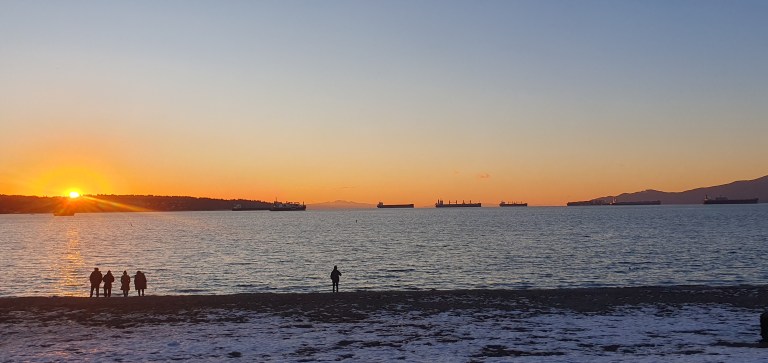
It is with great sadness that on Christmas Eve, as I write this, we received the news that Matt unexpectedly passed away earlier in the day, having just turned 63 years old. The cold winter’s night suddenly got a little darker. But stories get forged in such times, and whilst my thoughts are firmly with his close friends, sister and daughter, I am filled with gratitude for having, all too briefly, got to know a wonderful man and have the calm wisdom within which he resided instill its inherent value to be carried forward. Being a local boy, it struck me that Matt found peace from his seawall walks and evenings at the Bay, and I’m sure this lifelong association will provide the comfort necessary to the other West End orphans who will deeply miss him and continue to share his stories in the years to come. May the many sunsets under which they do now glow a little brighter over the city many find great solace within – if only for a few moments.
A Deeper Look
A very informative conversation on Canada’s predicament relative to its mighty southern neighbour.
 Wolfman